
Environmental experts have said that Pakistan and northern India may have one of the worst smog spells in years because of the heavy monsoon floods that hit Punjab earlier this year.
Experts from the Pakistan Meteorological Department and the Punjab Environmental Protection Agency (EPA) say that the heavy flooding left behind big areas of standing water, damaged crops, and a lot of trash. All of these things are likely to make the air quality worse and cause thick smog this winter.
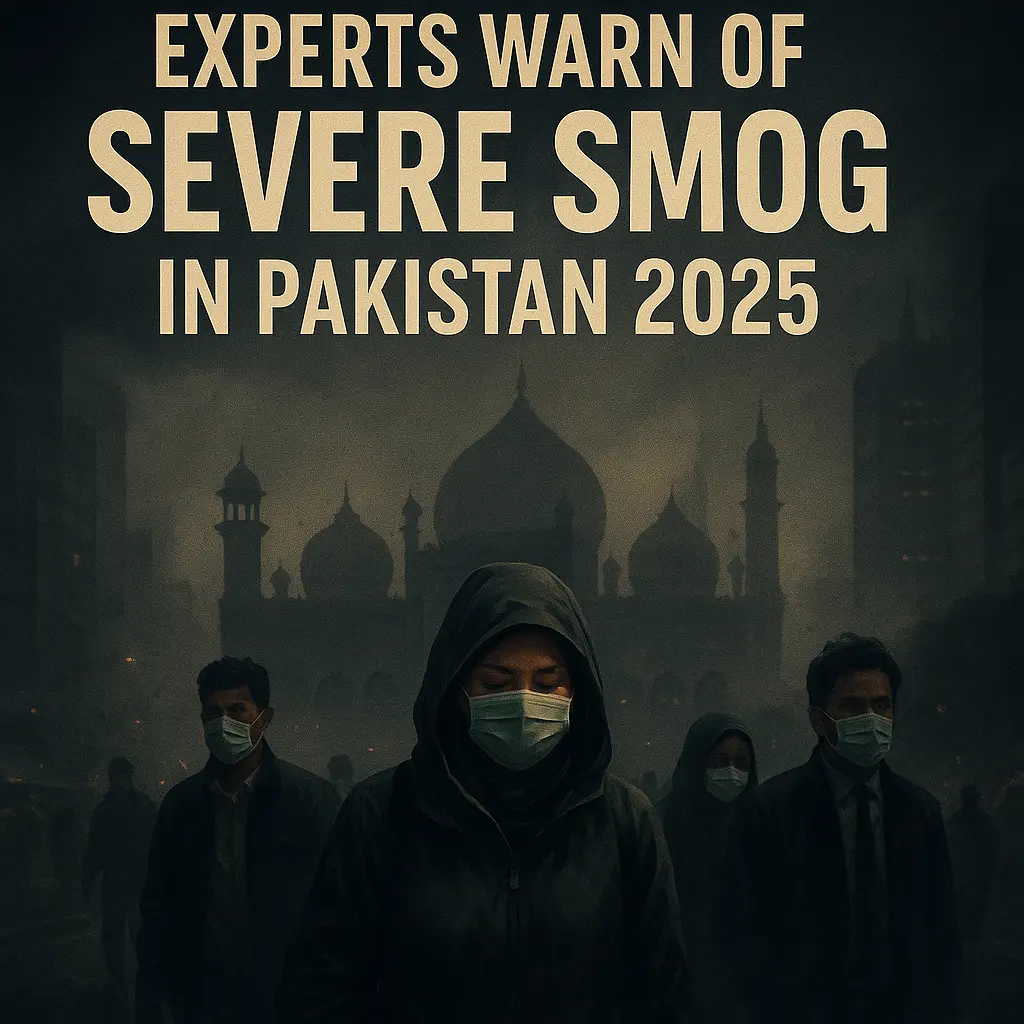
Floods, crops, and pollution are a bad mix.
The floods that hit both Indian and Pakistani Punjab have made the weather perfect for smog to form. When winter comes and the temperature drops, moisture in the air mixes with smoke from cars, emissions from factories, and burning crop residue, which keeps pollutants close to the ground.
Dr. Saima Nadeem, an environmental researcher in Lahore, said,
“The humidity after the flood and the burning of crops will make the air heavier, creating thick smog that may last longer than usual.”
Experts say that cities like Lahore, Faisalabad, Amritsar, and Ludhiana could see visibility drop below 50 meters, which would make it hard for people to get around and be bad for their health.
Health Risks Are Going Up
Medical officials are telling people to be careful about respiratory illnesses, especially children, the elderly, and people who work outside. During this time of year, asthma, bronchitis, eye irritation, and heart problems that are linked to smog tend to get worse.
Environmentalists say that the worsening smog is a sign of climate change and bad handling of natural disasters. The floods of 2025 may have gone away, but their effects on air and soil quality are likely to last for months. National authority for weather, air-quality, and monsoon reports. Pakistan Meteorological Department (PMD)
As winter approaches, people are advised to wear masks outside, limit unnecessary travel, and keep an eye on air quality alerts from local governments.
Stay informed — see more news on todaynewspakistan.com website.