
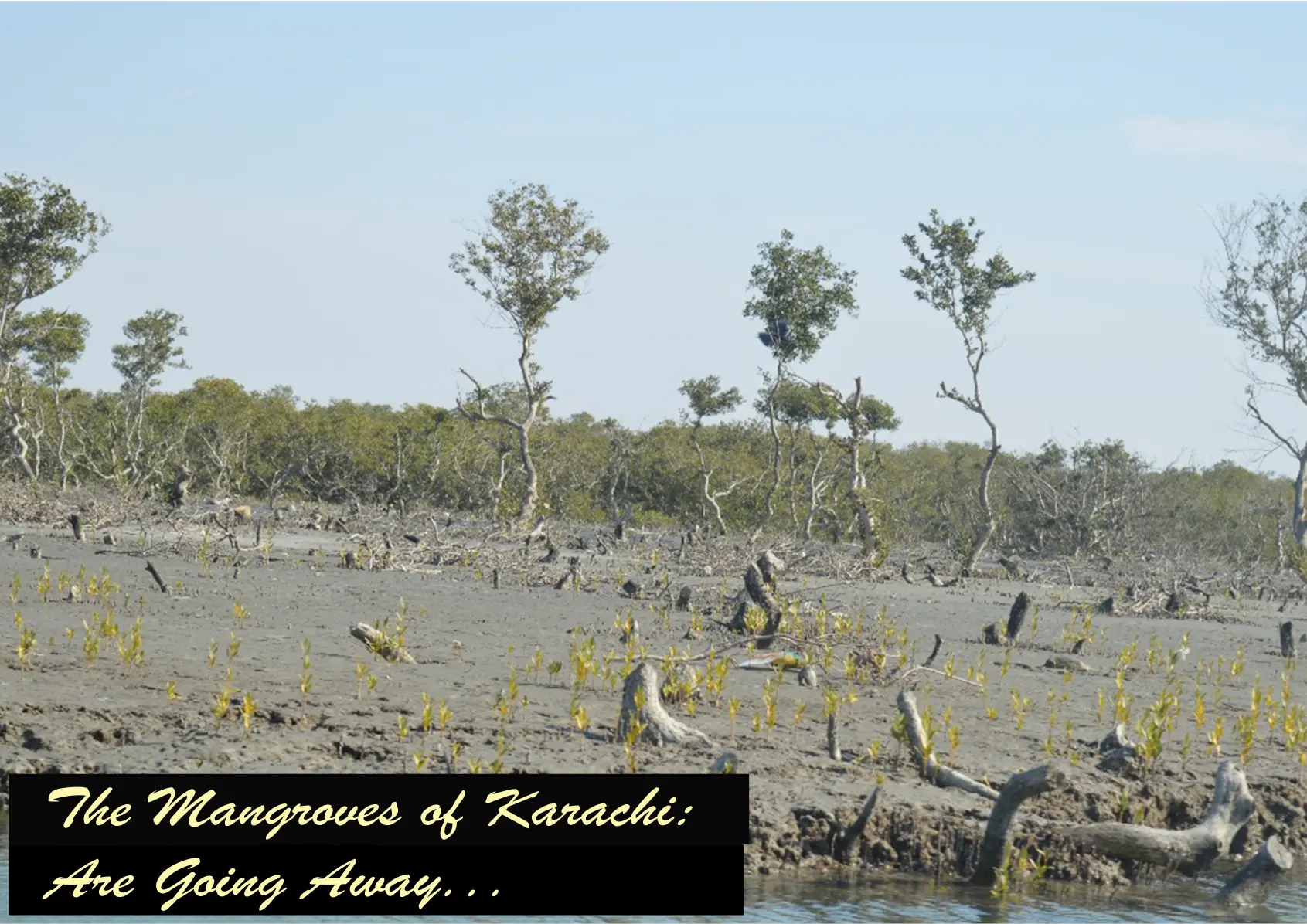
The coastal area of Karachi used to be home to thick mangrove forests full of life, but now it is in trouble that few people are talking about. Karachi Mangroves in Pakistan, which protect the coast from climate change and erosion, are disappearing at an alarming rate. What used to be a healthy green shield along the Arabian Sea is now becoming a polluted, empty beach.
The Importance of Mangroves
Karachi Mangroves are more than just trees; they are important for the environment. These forests are natural barriers against cyclones, tidal surges, and floods. They can be found along Karachi’s coast, in places like Keti Bunder, Sandspit, and Korangi Creek. They also act as carbon sinks, taking in more carbon dioxide per hectare than any other type of forest.
Mangroves also help marine biodiversity by giving fish, crabs, and shrimp places to breed. This helps thousands of fishermen in Sindh make a living. The economy and the environment are both in serious danger without them.
What Happened to Karachi’s Mangroves?
Experts say that Karachi’s mangroves are being destroyed by rapid urbanization, pollution that isn’t controlled, and illegal land reclamation. Creeks that used to be fertile are now toxic because of industrial waste, plastic dumping, and oil spills.
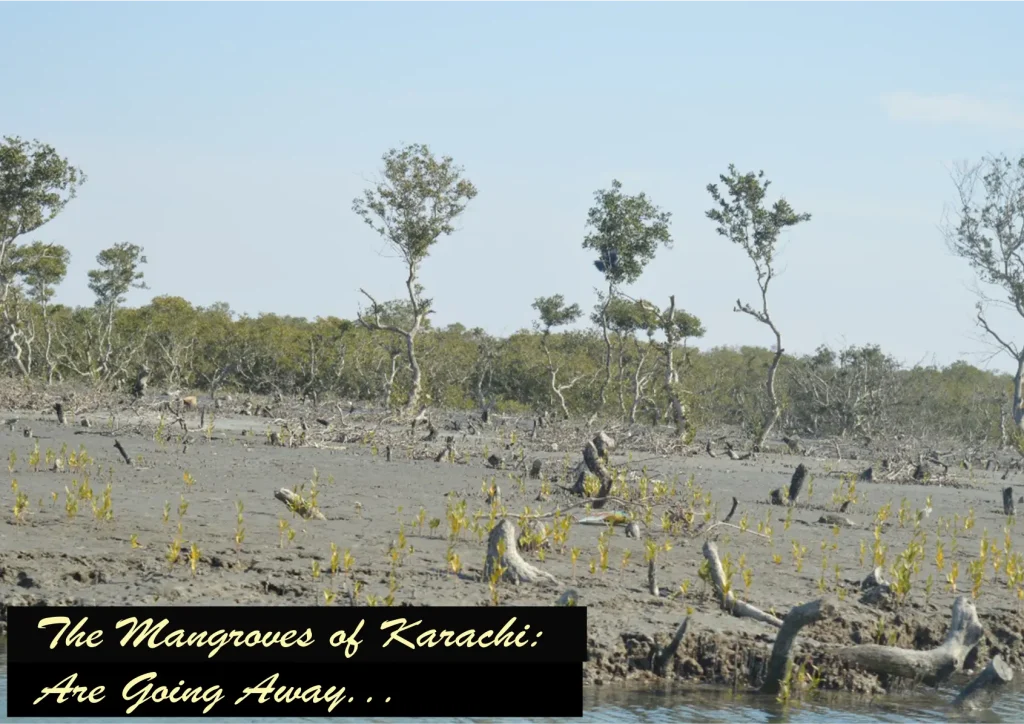
Dr. Nuzhat Khan, a marine scientist at the National Institute of Oceanography, says, “Every year, we lose hundreds of hectares of karachi mangroves to development projects and encroachment. If this keeps up, Karachi won’t have any natural defenses against rising sea levels.”
Satellite images show that Karachi’s mangrove cover has shrunk a lot in the last 20 years, especially near Port Qasim and Karachi Harbour, where there is a lot of industrial activity.
The Price of Ignoring
It’s not just bad for the environment that karachi mangroves are disappearing; it’s a human crisis. Without mangroves, flooding along the coast and soil erosion are getting worse, forcing people to move and destroying farming. Every year, fishermen catch fewer fish, and the sea is slowly taking over coastal villages.
This quiet disaster is part of a pattern in South Asia, where mangroves are disappearing because of short-term economic benefits. Pakistan’s coastal resilience is getting weaker, and the effects are already clear: water levels are rising, floods are happening more often, and coastal temperatures are getting hotter. WWF Pakistan runs ongoing mangrove and coastal-ecosystem protection projects. WWF Pakistan – Mangrove Conservation
What Can Be Done?
The WWF-Pakistan and the Sindh Forest Department are two of the environmental groups that are working to replant karachi mangroves. The Ten Billion Tree Tsunami Project also includes fixing up mangroves in Sindh and Balochistan.
Experts, on the other hand, stress that planting alone is not enough. To protect what is left of Karachi mangrove ecosystem, it is important to strictly enforce environmental laws, keep an eye on coastal development, and run public awareness campaigns.
Stay informed — see more news on todaynewspakistan.com website.