
Sindh has been one of the areas hit hardest by repeated heatwaves as temperatures rise across Pakistan. The rising heat has changed daily life in Karachi’s busy streets and the dry plains of Jacobabad and Sukkur. It’s no longer just a seasonal annoyance; it’s a climate emergency.
The Rising Temperatures in Sindh: A New Normal
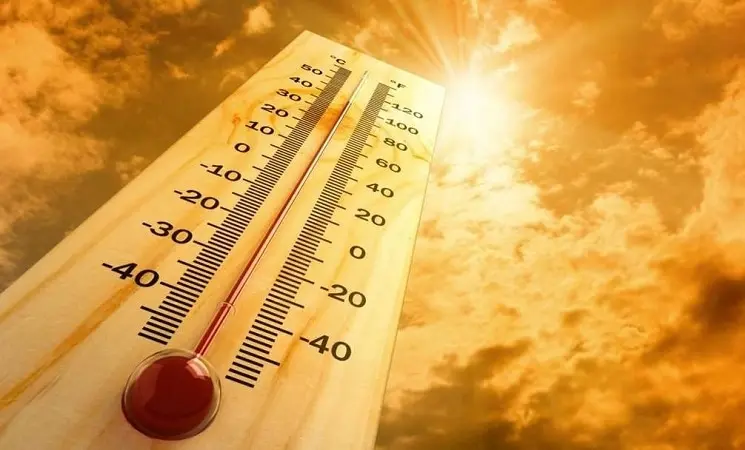
The Pakistan Meteorological Department (PMD) says that average summer temperatures in Sindh have gone up by almost 2°C in the last ten years. In May and June, some districts even reached 50°C, which was too hot to handle. Jacobabad and other cities are now on the list of the hottest places on Earth.
Experts say that climate change, rapid urbanization, deforestation, and bad water management are to blame for these extreme conditions. Concrete has taken the place of natural plants, trapping heat and making “urban heat islands” that make life in the city even harder.
The nation’s primary authority for climate, weather forecasts, and heatwave data. Pakistan Meteorological Department (PMD)
Karachi’s Fight Against the Heat
In Karachi, the biggest city in Pakistan, heatwaves now kill dozens of people every summer. The city’s huge concrete sprawl and lack of green spaces make it hold heat even more. Power outages make things worse by leaving millions of people without ways to cool off.
The Sindh government has worked with NGOs to set up emergency cooling centers and campaigns to raise awareness about heatwaves. Extra beds have been added to hospitals, and volunteers are giving water and ORS to communities that need it.
Dr. Asif Mahmood, a public health expert at Jinnah Hospital Karachi, says, “Public hydration points and shaded rest areas are small steps, but they save lives.”
A Call to Do Something About Climate Change
The heatwaves in Sindh are not just one-time weather events; they are signs of a global climate crisis. Pakistan is still one of the most climate-vulnerable countries in the world, even though it only contributes less than 1% of global carbon emissions.
To protect millions of people from rising temperatures, urban resilience, early-warning systems, and long-term city planning are now very important. Experts say that Sindh could become unlivable in the next few decades if nothing is done right away.
Stay informed — see more news on todaynewspakistan.com website.