
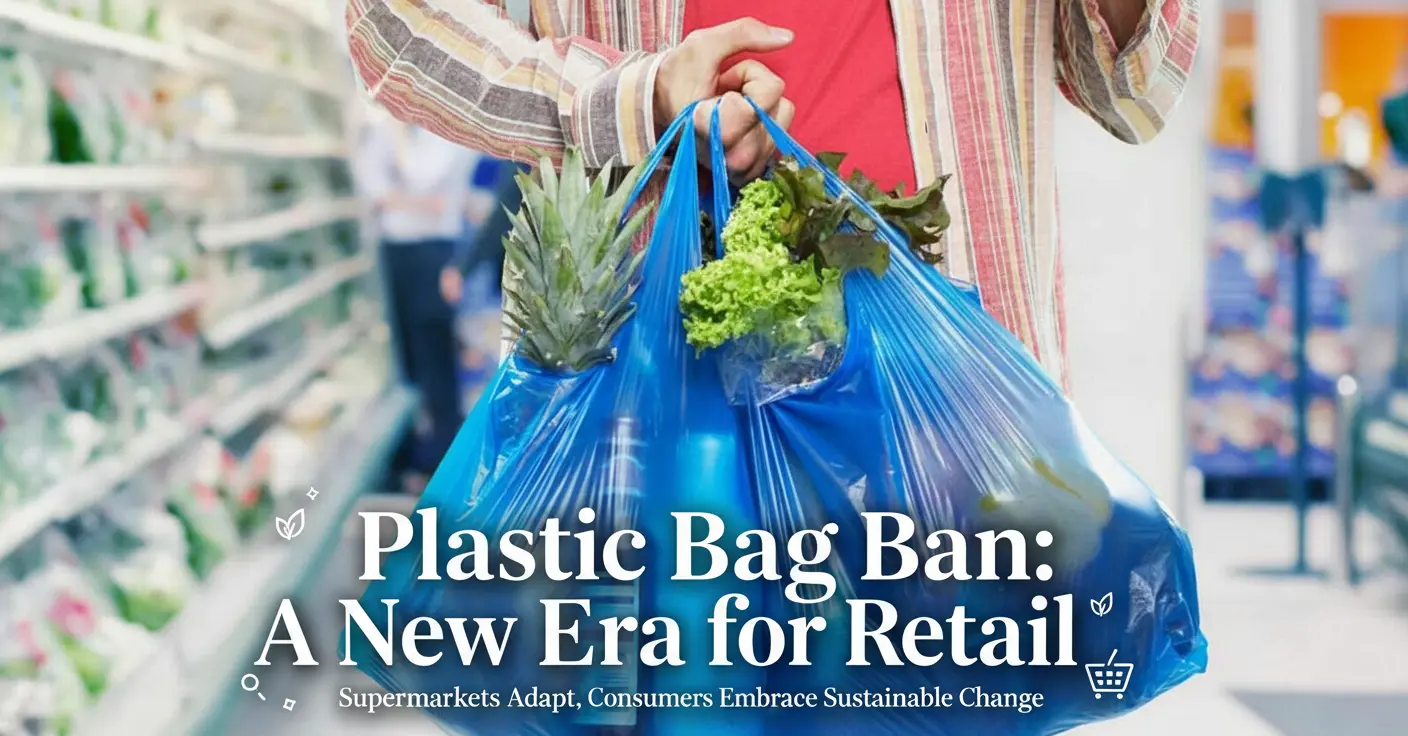
When Pakistan first announced a nationwide plastic ban on bags, people praised it as a big step forward for protecting the environment. The ban gave people hope for cleaner streets, healthier rivers, and a greener future in a world where cities are drowning in trash that can’t be broken down and drainage systems are clogged.
But the question still stands after a few years: is the plastic ban in Pakistan really working?
The Promise Behind the Ban
Pakistan makes about 3.9 million tons of plastic waste each year, and almost 65% of it ends up in landfills or the ocean. The government started a phased ban in 2019, starting with Islamabad and then moving on to Sindh, Punjab, and Khyber Pakhtunkhwa.
The ban included making, selling, and using single-use plastic bags. It encouraged people and stores to switch to more environmentally friendly options like cloth and paper bags.
It was a brave step that put Pakistan in line with the rest of the world in the fight against plastic pollution.
Former Climate Minister Zartaj Gul said during the launch campaign, “Plastic is not just a convenience issue; it’s a survival issue.”
What We’ve Done So Far with this Plastic Ban
The results have been mixed. Cities like Islamabad and Lahore have gotten better, and more markets now sell cloth or biodegradable bags. The ban is now strictly enforced by many big grocery stores and retail chains.
But enforcement is still not consistent in other places. Plastic bags are still the most common type of bag in small towns and rural areas. Street vendors and small shopkeepers often go back to old ways because they say alternatives are too expensive or hard to find. The Ministry of Climate Change says that the number of plastic bags made has dropped by 40% since 2020, but the informal market is still doing well.
Effect on the Environment
When done right, the plastic ban has made a big difference in reducing plastic trash in cities. The Islamabad Cleanliness Report 2025 said that plastic clogging in drainage systems went down by 25%, and marine pollution in Karachi’s coastal belt went down a little bit.
But the lack of a single national waste management system still limits the overall effect. Experts say that just plastic banning isn’t enough. Pakistan needs to create a circular economy where waste is reused and recycled in a smart way.
The plastic ban in Pakistan is still a work in progress. It’s not a failure, but it’s not a success either. It has raised awareness, changed how some people act in cities, and started a national conversation about trash. Pakistan’s plastic problem will stay a problem that is easy to ignore until policies are enforced fairly, alternatives become affordable, and recycling becomes common.
The ban showed that change is possible, but to make real progress, everyone needs to work together, be creative, and stay the same. Official environmental body monitoring implementation of national plastic-ban policies. Pakistan Environmental Protection Agency (PEPA)
Stay informed — see more news on todaynewspakistan.com website.