

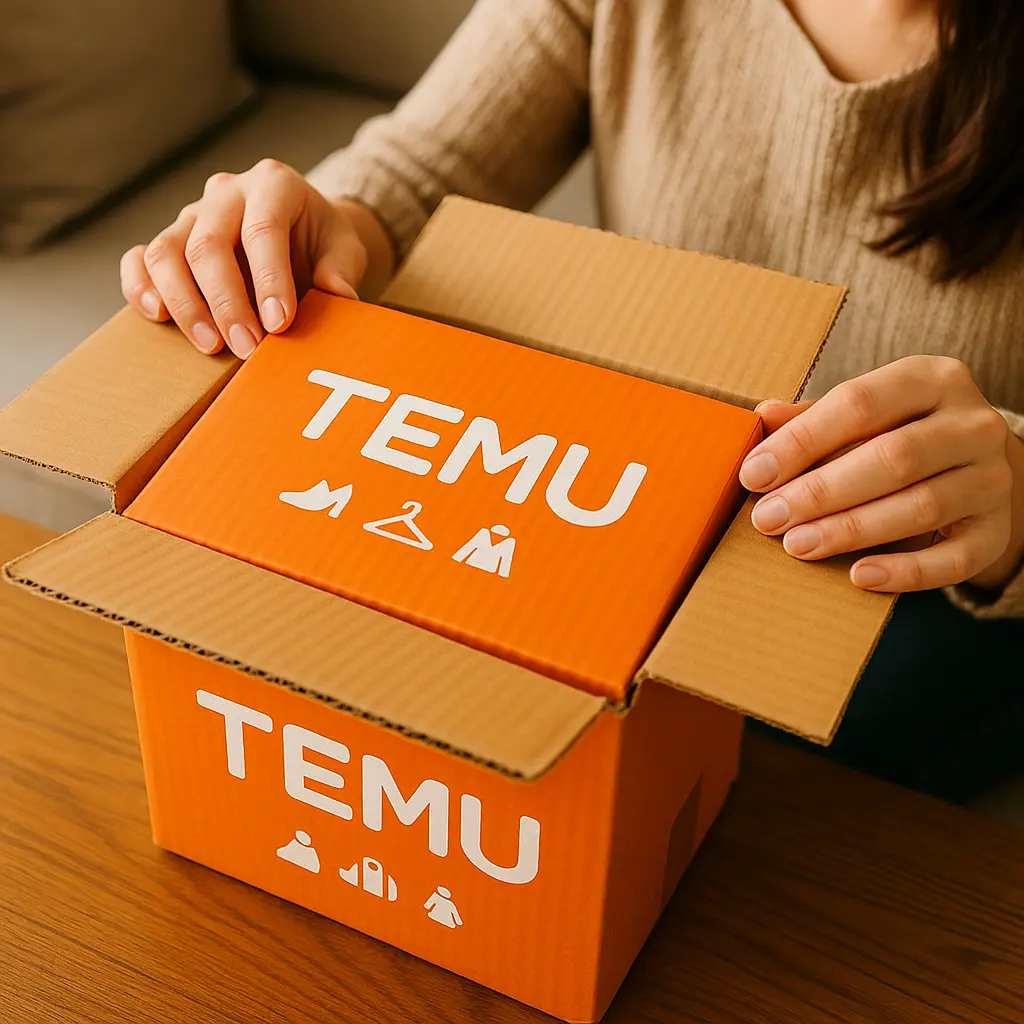
Temu, a huge global e-commerce company, has reportedly stopped offering deep discounts in several markets. This raises questions about the platform’s long-term strategy. The company used to grow by offering very low prices and subsidies, but now it is moving toward sustainability because costs have gone up, tariffs have changed, and users are less interested.
Earlier this year, the “de minimis” tariff loophole was closed in the United States, which took away a big advantage for Temu. Because of this, the app’s daily active users in the U.S. fell by almost 48%, which shows how much its growth depended on big discounts.
Temu Ban in Pakistan
In Pakistan, on the other hand, the Competition Commission of Pakistan (CCP) has told the Pakistan Telecommunication Authority (PTA) to block Temu in the country. The CCP says that Temu’s pricing model is predatory because it unfairly undercuts local stores that can’t compete with sales that are below cost.
Temu has used a well-known strategy in Pakistan: it has kept a low profile, run aggressive advertising campaigns, and kept most of its internal workings and future plans hidden. Even though the company is doing well, its secrecy has upset local retailers, regulators, and buyers.
By the middle of 2025, most of the big sales that had drawn customers in the first place were gone. Prices on a lot of things went up by 200–300 percent. Things that used to cost a few hundred rupees now cost thousands. Things that used to cost a few thousand dollars now cost tens of thousands of dollars. People started to wonder if Temu’s bold slogan of letting them “shop like a billionaire” was ever real or just a way to get more customers in the short term.