
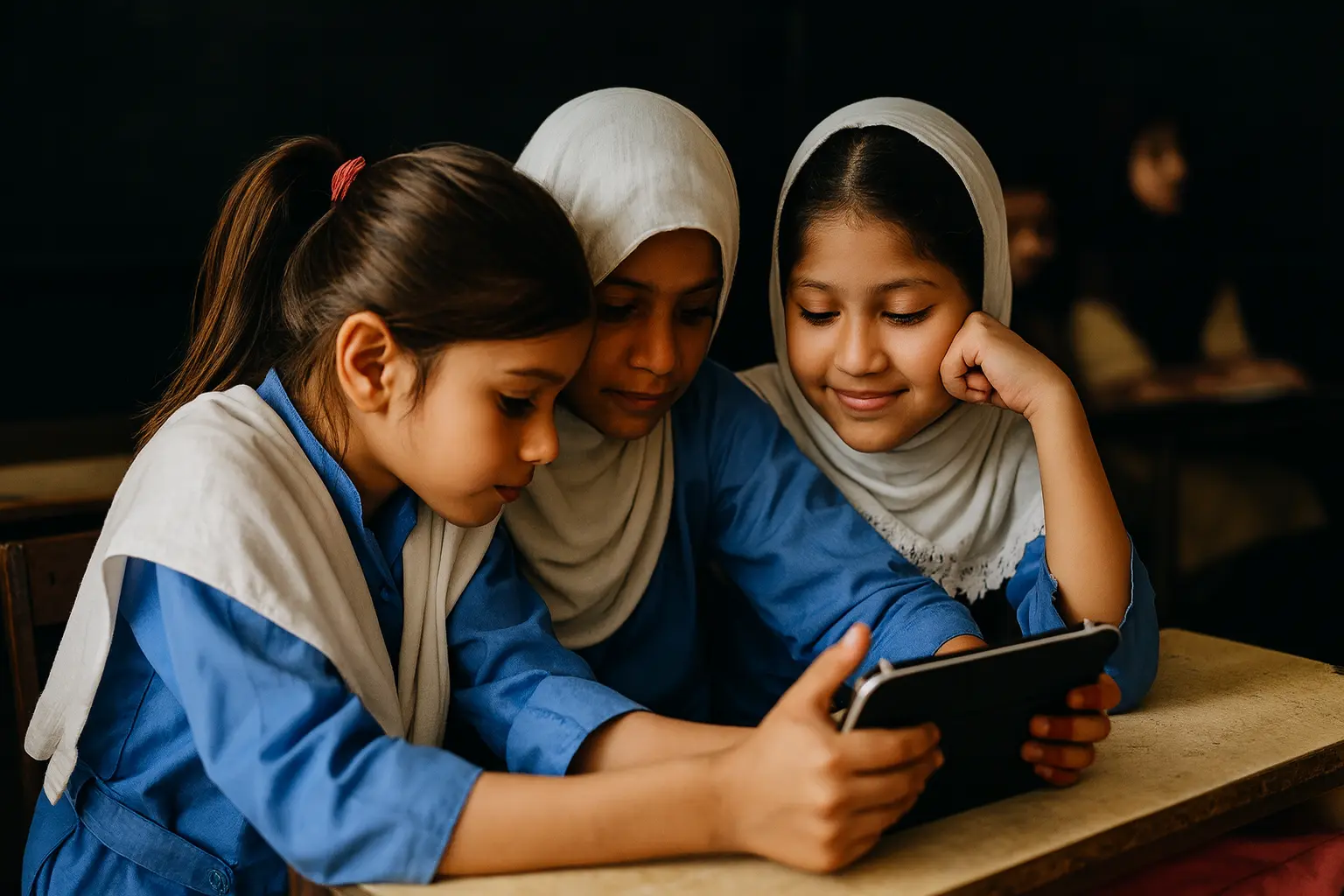
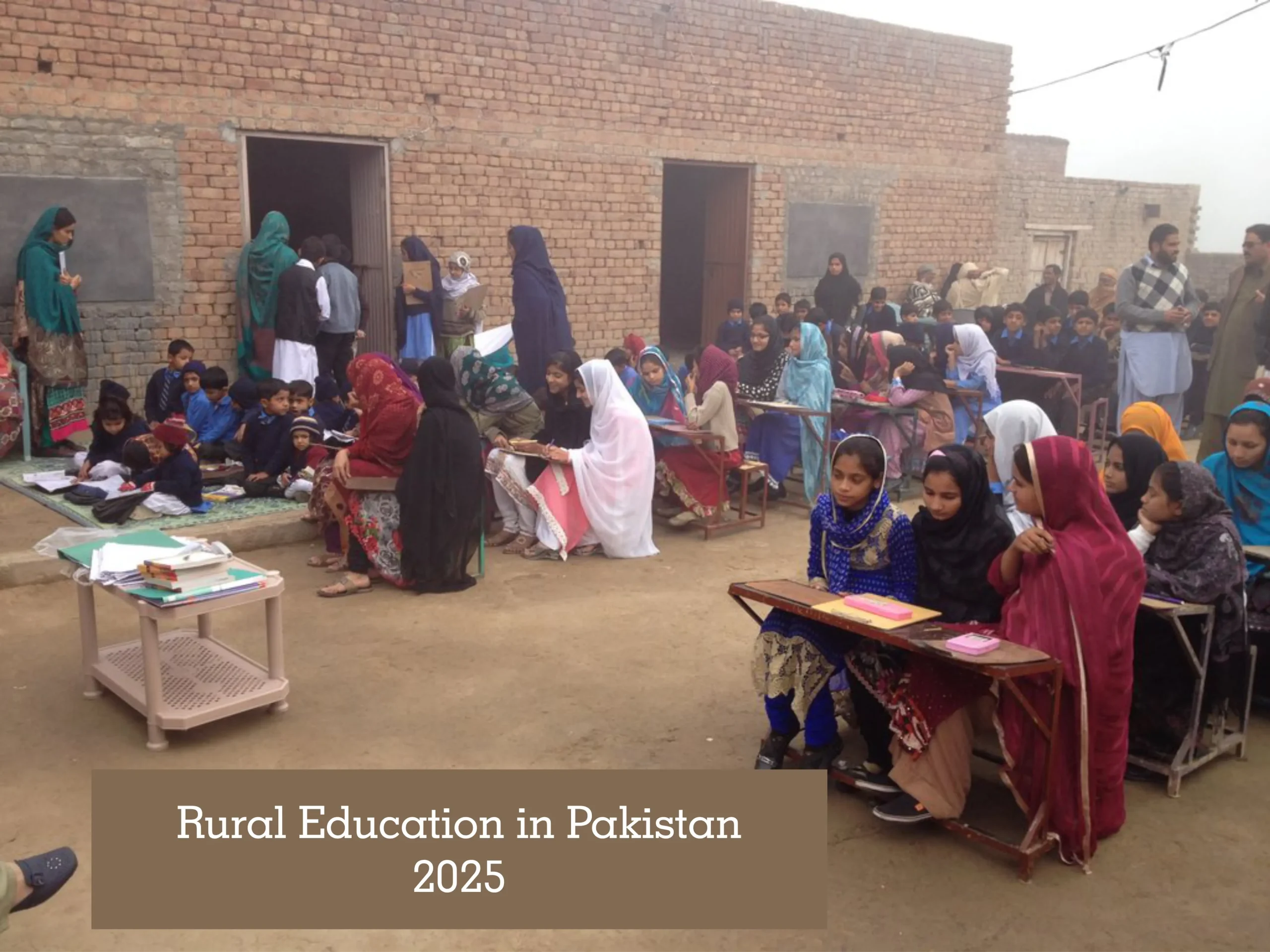
Pakistan is still working to improve rural education in 2025, which is one of the country’s biggest social problems. Even though cities have made a lot of progress, millions of kids in villages still don’t have access to good learning. But new programs, digital learning tools, and community-led changes are helping to close the gap in literacy between rural and urban areas.
Several EdTech startups have been able to reach rural areas thanks to the growth of 4G and internet access. Taleemabad, Sabaq Foundation, and TeleSchool are all using smartphones, TV, and apps that don’t need the internet to teach Urdu and other regional languages.
💡 These programs make learning cheap, easy to get to, and fun, even for kids who can’t go to school every day.
Giving power to teachers in rural areas for Rural Education
Another important area of focus is teacher training. The government has started mobile training centers and online certification programs that let teachers learn from home. This makes sure that teachers in even the smallest villages can use modern teaching methods and materials.
A Move Toward Equal Opportunity
Education is not just a policy issue; it’s the basis for Pakistan’s growth in both the economy and society. Improvements in rural education can:
- Lower the number of people without jobs
- Give women power
- Make local economies stronger
- Help bring the country together through learning
By 2025, Pakistan’s education system has a good chance of becoming more open, tech-savvy, and easy to get to, making sure that no child is left behind.
The Ministry of Education says that about 63% of people in Pakistan can read and write, but this number drops a lot in rural areas, especially for women and girls.