
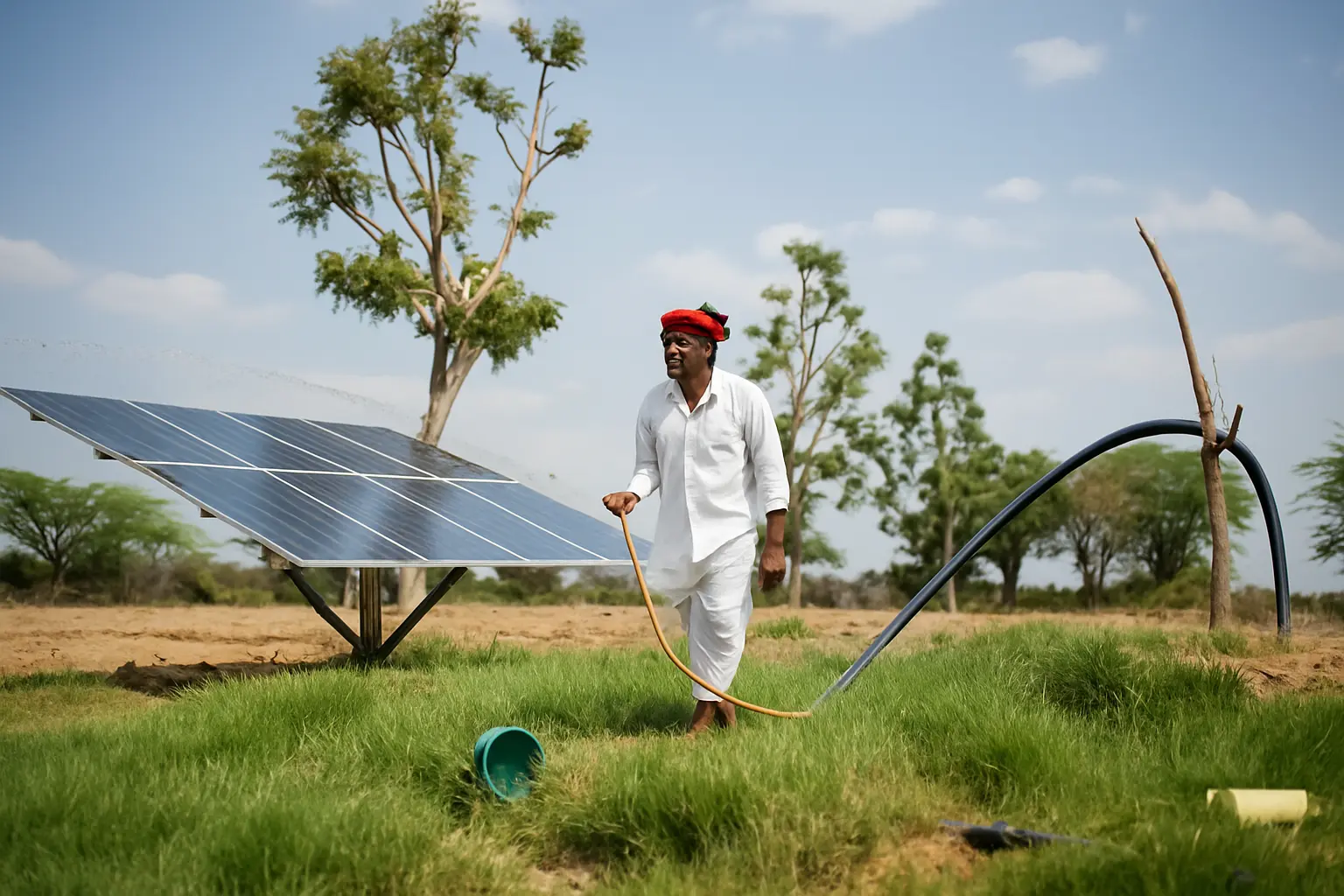
Solar farming is changing life in rural areas of Pakistan. Many Pakistani farmers, especially those in Punjab, have switched from diesel pumps and unreliable grid power to solar-powered irrigation systems in the last few years. What began as a long-term, low-cost solution is now changing the way people live, farm, and use water in farming communities.
Reuters
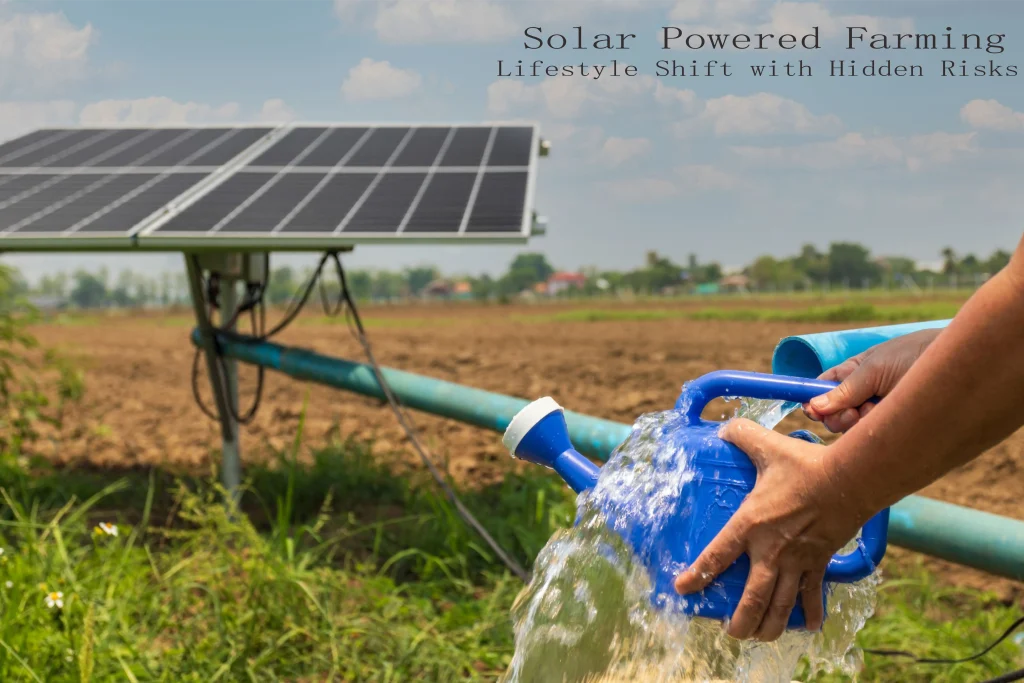
But this new idea has some unexpected effects, like groundwater being used up too quickly, crops changing their patterns, and farmers and rural families facing new problems. Let’s look into it more.
The Rise of Solar Farming in Rural Pakistan
Solar farming gives a lot of small and medium-sized farmers a chance to stay in business:
- Increasing costs of electricity
- Solar panels that are paid for
- Wanting to be energy independent
Thousands of farms have put in solar-powered tube wells, which lets them water their crops more often and grow more water-loving crops like rice and sugarcane.
For a lot of families, this means:
- Less money spent on gas
- More crops that grow
- Less dependence on grid problems
The Hidden Cost: Groundwater Loss
Solar power lowers energy costs, but it also lets you use water more often. The result was a quick drop in water levels in some parts of Punjab.
Some important effects are:
- Wells drying up sooner in the summer
- Need for deeper holes (more money)
- Nearby communities don’t have enough water.
Experts in the area say that without rules and long-term planning, this could lead to water shortages that last for a long time.
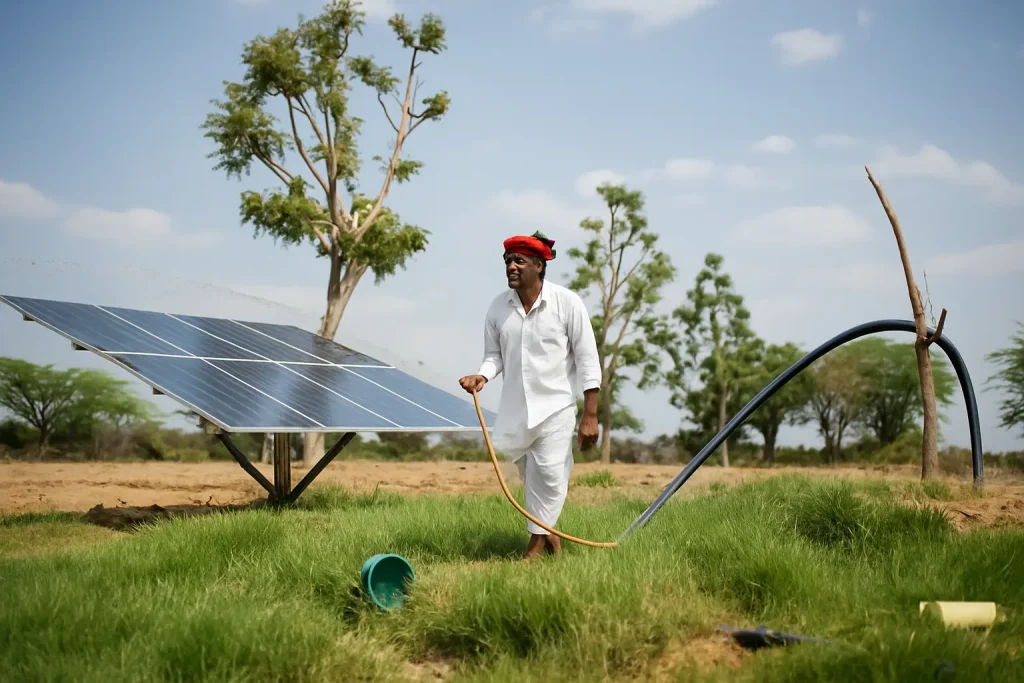
How This Affects the Economy and Way of Life in Rural Areas
- Choosing crops and making money Farmers are switching to crops that need a lot of water to get the most money out of them. This makes their income go up in the short term, but it also makes them more likely to lose money in dry seasons.
- Costs and Upkeep Smallholder farmers have to pay for and take care of solar panels, pumps, and other infrastructure that they need.
- Getting to water in the community Villages nearby may not be able to get to groundwater, which would hurt drinking water, livestock, and small-scale farming.
- Effects on society and culture As water becomes more valuable, fights over who can use it may get worse, and the normal way of life for farmers may change.
Solar farming is good and bad for Pakistan at the same time. It gives farmers cheap energy and better crops, but if left unchecked, it also speeds up the depletion of groundwater. The key is to find a balance between technology and sustainability so that rural communities can thrive without putting their future water security at risk.