
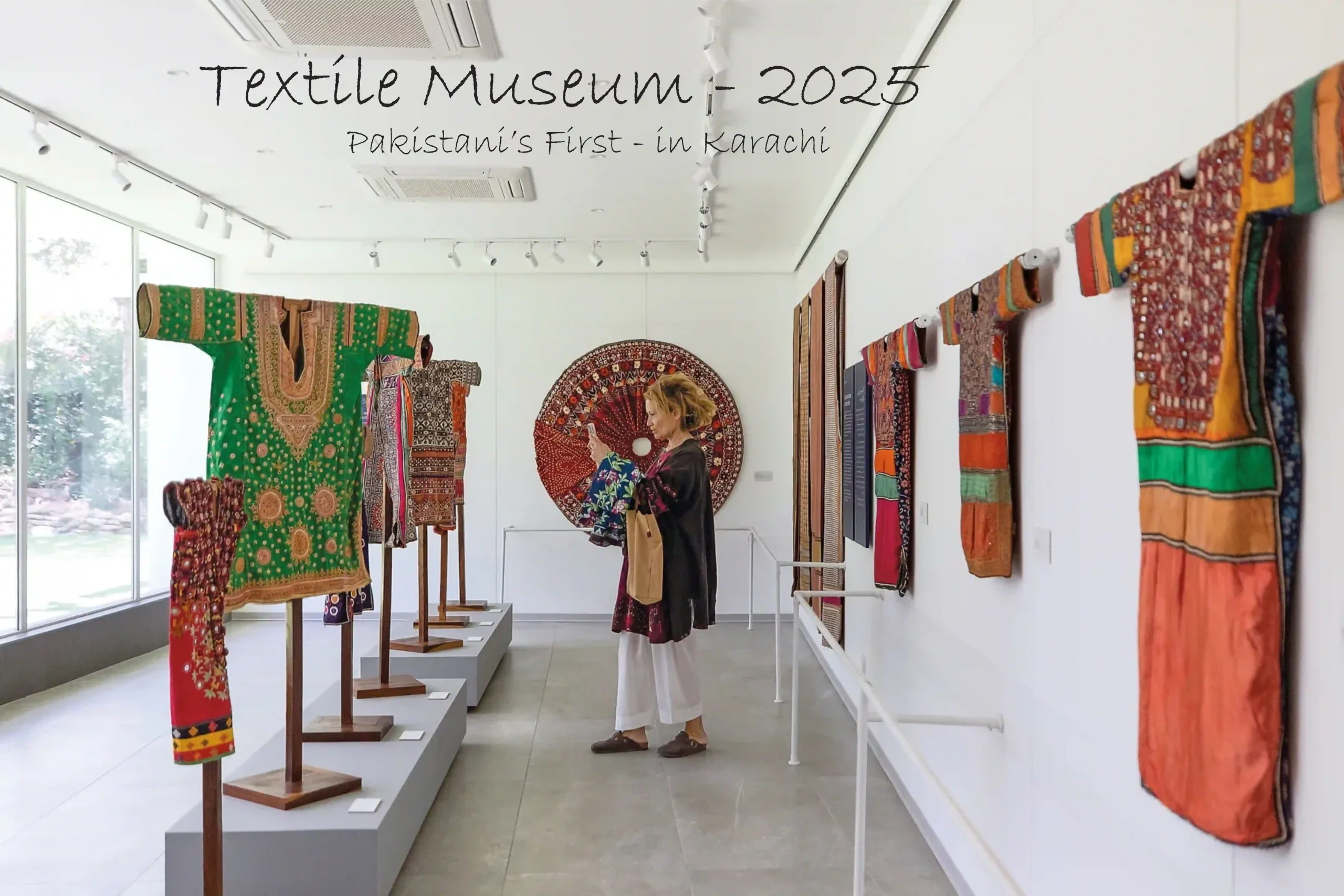
Pakistan has done something amazing to protect its rich artistic heritage by opening the first Textile Museum in Karachi. The museum honors the centuries-old skills of weaving, dyeing, embroidery, and handloom work that have shaped South Asian identity for generations. The museum is in the middle of Karachi and serves as both an exhibition space and a living archive, where art, fashion, and history come together.
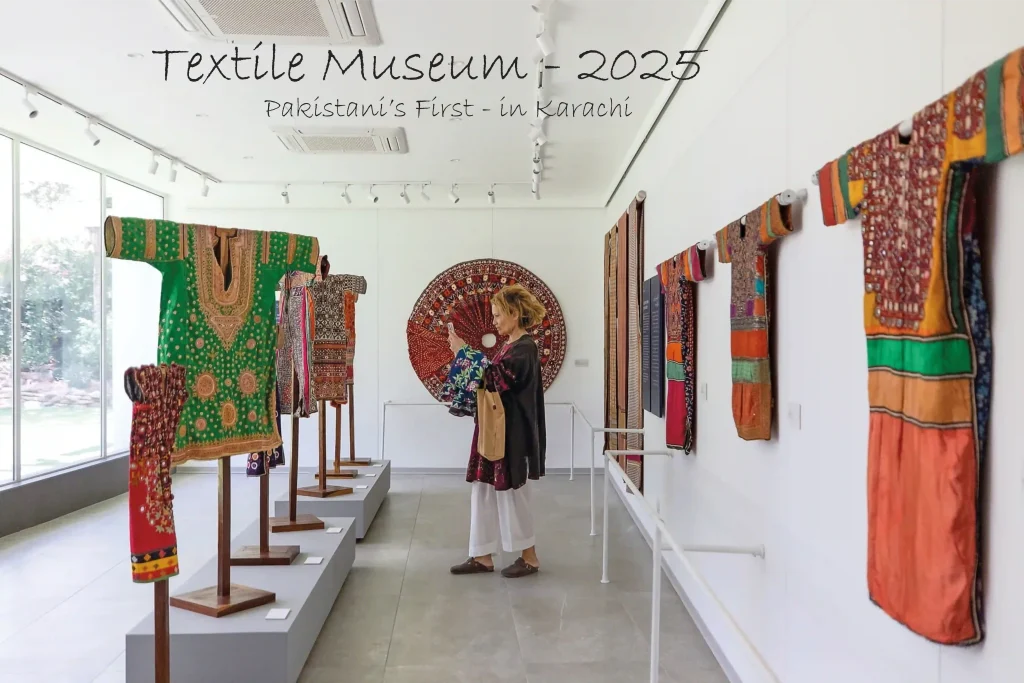
A Celebration of Pakistan’s Textile History
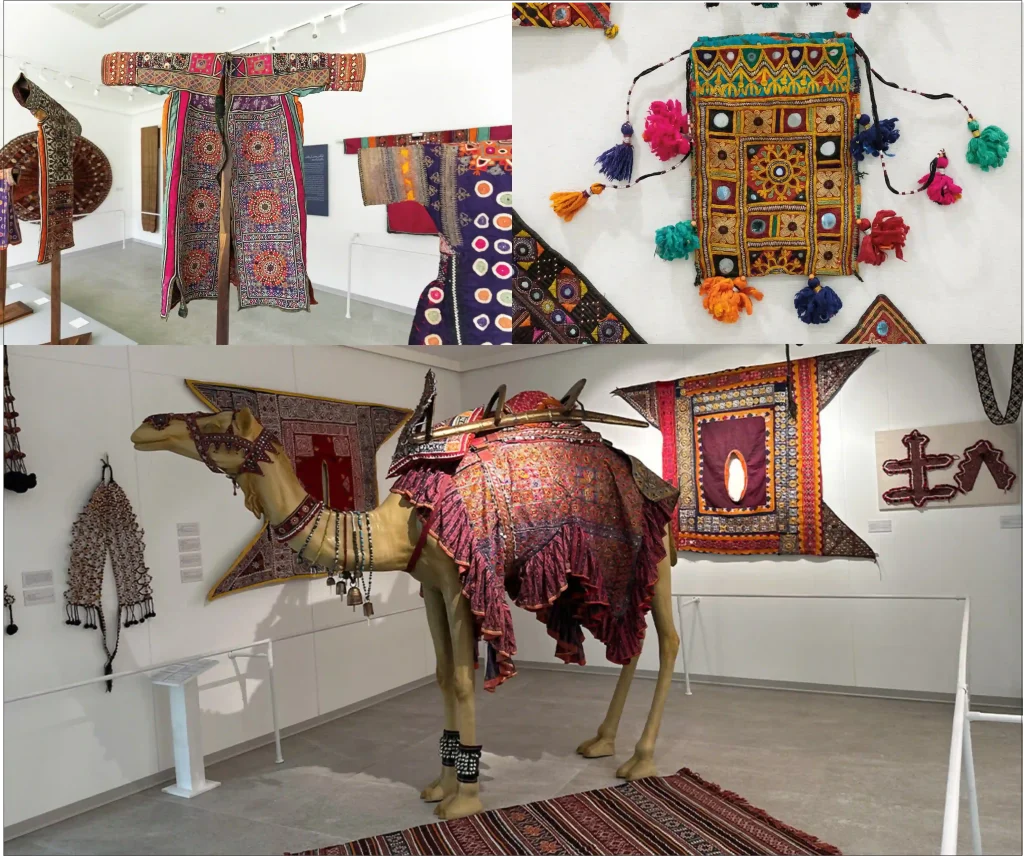
The new Textile Museum Karachi shows off the wide range of textile art from different parts of Pakistan. For example, it has the colorful Ajrak from Sindh, the intricate Balochi embroidery, and the fine Pashmina shawls from Khyber Pakhtunkhwa and Gilgit-Baltistan.
Every corner tells a story of craftsmanship that has been passed down through the years, mixing old and new styles.
“The hands that have kept our culture alive through thread and color are what this museum is all about,” said Dr. Huma Qureshi, the museum’s curator, at the opening ceremony.
The Karachi Textile Museum is different from regular galleries because visitors can talk to weavers and artisans in real time, watch live demonstrations, and learn how to dye and block-print like they did in the past.
There is also a digital archive that shows how textiles in Pakistan have changed over time, from trade routes before the partition to fashion exports today.
Collaboration Between Artisans and Designers
The Sindh Government’s Department of Culture and Tourism, the Pakistan Institute of Fashion and Design (PIFD), and a few local fashion houses are all working together on the project.
The museum wants to bring together master craftsmen and modern designers to bridge the gap between old and new.
Younger designers are now using hand-embroidered patterns, natural dyes, and traditional motifs in modern clothes. This makes fashion that is good for the environment and honors the past.
The opening of Pakistan’s first textile museum is a proud moment in the country’s creative growth.
It is not only keeping history alive, but also making a future where tradition and new ideas come together.
Pakistan’s textile craftsmanship is ready to shine on the world stage as global fashion houses look for more sustainable and ethical designs. The craftsmanship is now on display in a national museum.