
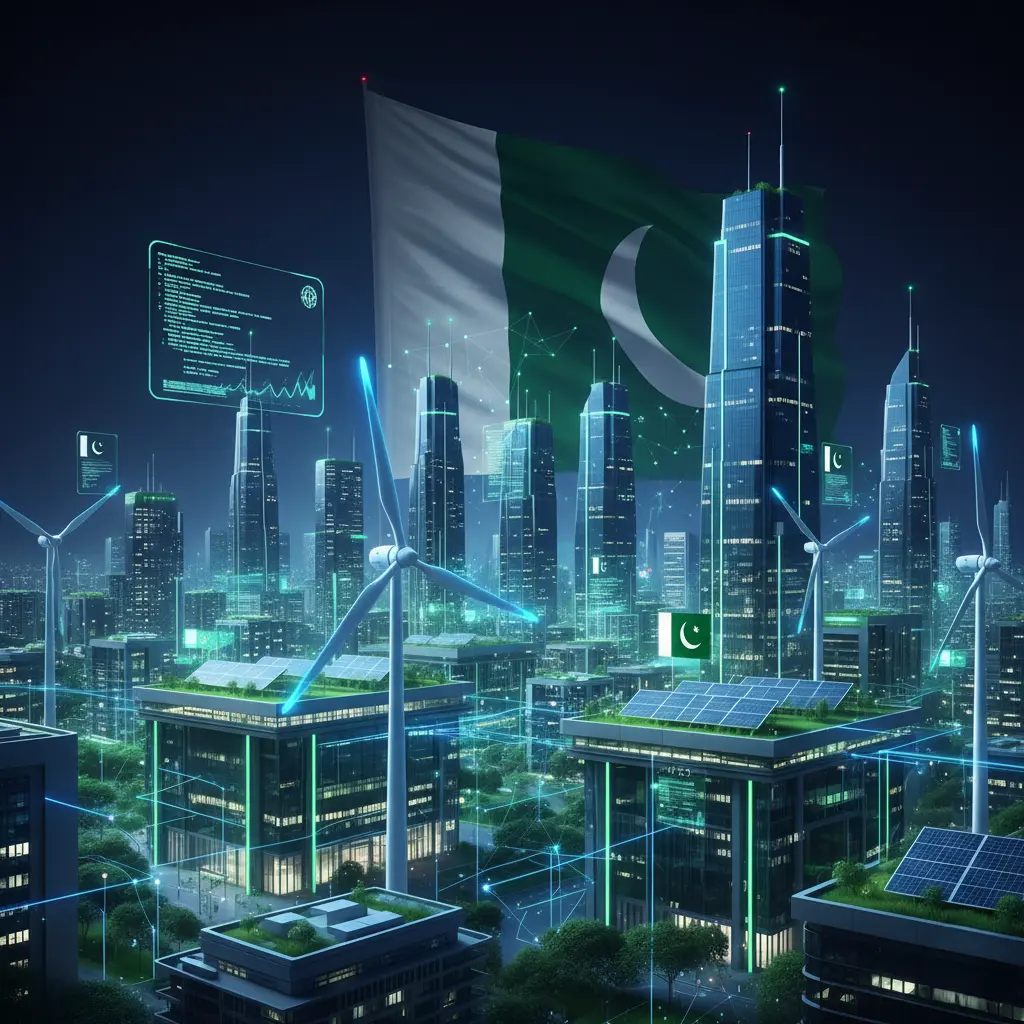
The Pakistan Smart Cities Project is now expanding into ten new districts across the country. This is a big step forward for urban innovation in Pakistan, as it brings advanced technology, data-driven infrastructure, and sustainable living closer to millions of people.
The Ministry of Planning and Development announced the expansion, which shows that Pakistan is serious about turning its old cities into modern, eco-friendly, and citizen-focused urban centers.
What is the Pakistan Smart Cities Project?
The Smart Cities Project, which started as part of the Digital Pakistan Initiative, wants to use technology, sustainability, and new ideas to improve how cities are run. It uses IoT (Internet of Things), AI-powered monitoring, and green energy solutions to make things better, like traffic flow, public safety, and waste management.
The project started out in Islamabad, Lahore, and Karachi, and its success has led to quick growth into smaller but quickly growing districts like: Multan, Faisalabad, Peshawar, Quetta, Sukkur, Abbottabad, Bahawalpur, Gwadar, Hyderabad, and Sialkot are all cities.
Effects on the economy and the environment
The Smart Cities Project is expected to create thousands of new jobs in the fields of urban planning, engineering, and technology. It will also lower Pakistan’s carbon footprint by using solar energy, digital waste management, and green transportation. This is in line with the country’s Vision 2030 climate goals.
As more districts start to use smart-city frameworks, local businesses are already seeing chances in IT, telecommunications, and renewable energy.
Giving People Power Through Technology
One of the main goals of the project is to make sure that technology helps regular people, not just the wealthy and powerful in the city. Residents will be able to report problems in their communities, get to healthcare and education websites, and get real-time alerts about safety, traffic, or the weather through mobile apps.
There are also community training centers being set up to teach people how to use these digital tools well. Government department managing the Smart Cities and urban-development agenda. Ministry of Planning, Development & Special Initiatives
A Plan for the Future
Experts say that if the project keeps going at this rate, Pakistan could have more than 25 smart cities by 2030. These cities will show how to grow in a way that is good for the environment by using both old and new technologies to make life better.
The growth of the Pakistan Smart Cities Project is more than just building new roads and bridges. It’s a sign of progress, new ideas, and faith in the country’s digital future.
Stay informed — see more news on todaynewspakistan.com website.